

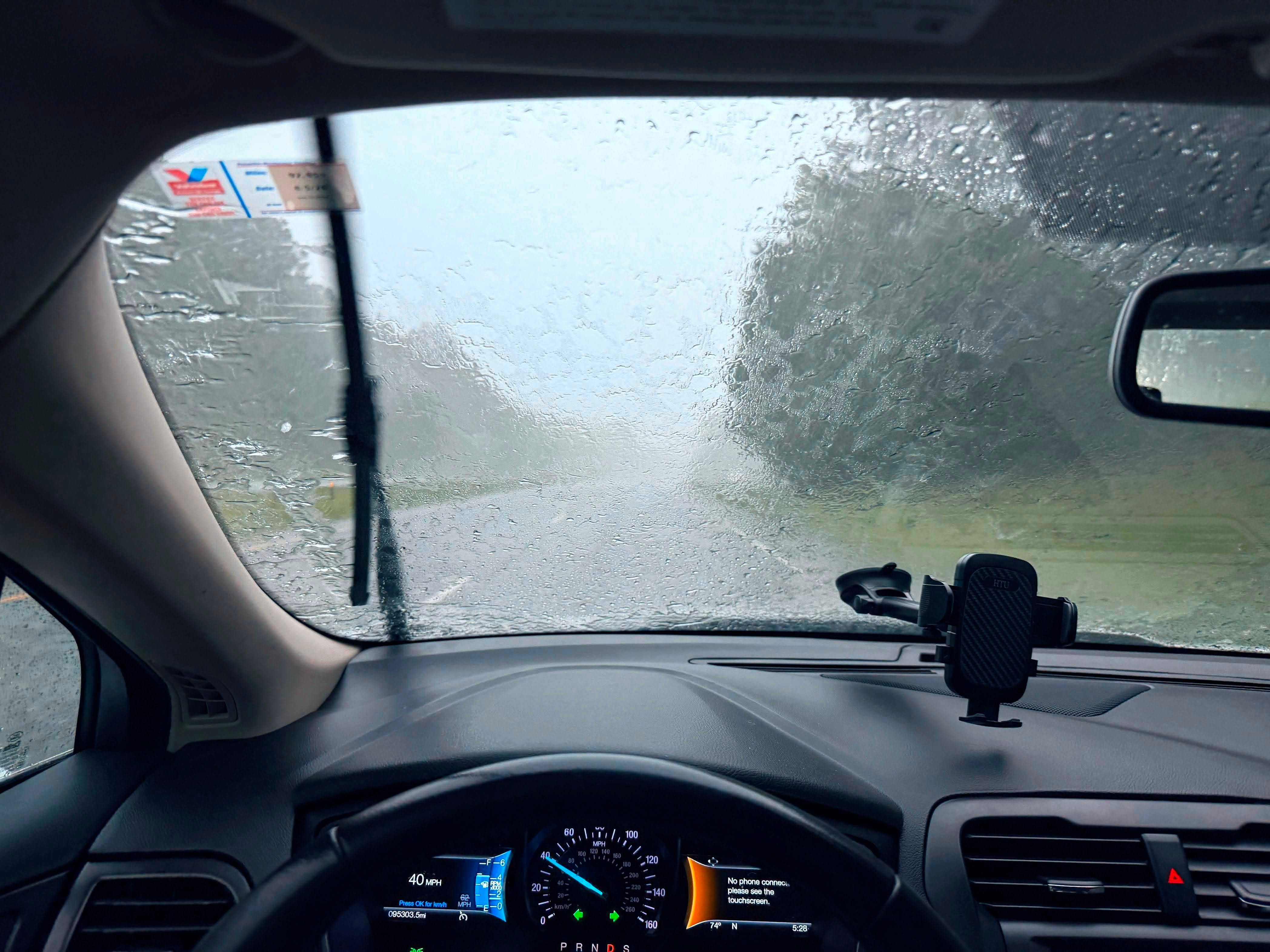
After a long, hot, dry summer, the rains finally came.
We’ve been getting storms almost every day for the past week or two. I’ve always loved storms, ever since I was a kid. I never remember being afraid of the thunder. There’s something about the power and ferocity of nature that has a paradoxical effect on me.
I find it soothing, somehow.


I think it has something to do with having an interior world that always felt too big, too chaotic, too much to handle. I am attracted to things that make me feel small and insignificant: the ocean, the mountains, the landscapes of the American West, the endless sea of stars. The arbitrary sacred places that effortlessly swallow up what I can barely contain and reassure me that I’m not too much after all.
I’ve been working my delivery job pretty much every day lately. Too much need to take many breaks. Seems like there’s never enough money for all the bills, and if it’s not for me, it’s for stuff my kids need. I’m happy to do what I can for them, and hope I can soon do more, but I can’t quite get the hang of being told I’m needed for resources, but not for my daily presence. Don’t think that’ll ever make sense, even if I’m stuck with it.
So I do my best to focus on the job, and there’s a kind of rhythm to working that job that changes when it’s pouring outside. The logistics of the thing all shift. I’m not known for being lucky, but I’ve been rolling sixes lately, seemingly always timing the indoor part of the shopping or driving when the skies open up, and not hauling groceries to people’s doors in wet paper bags and soggy cardboard boxes. I had one bad day, early on, where my shoes got drenched and I had to give it up for the day, because it’s hard to do all that walking when your sneakers have turned into sponges.
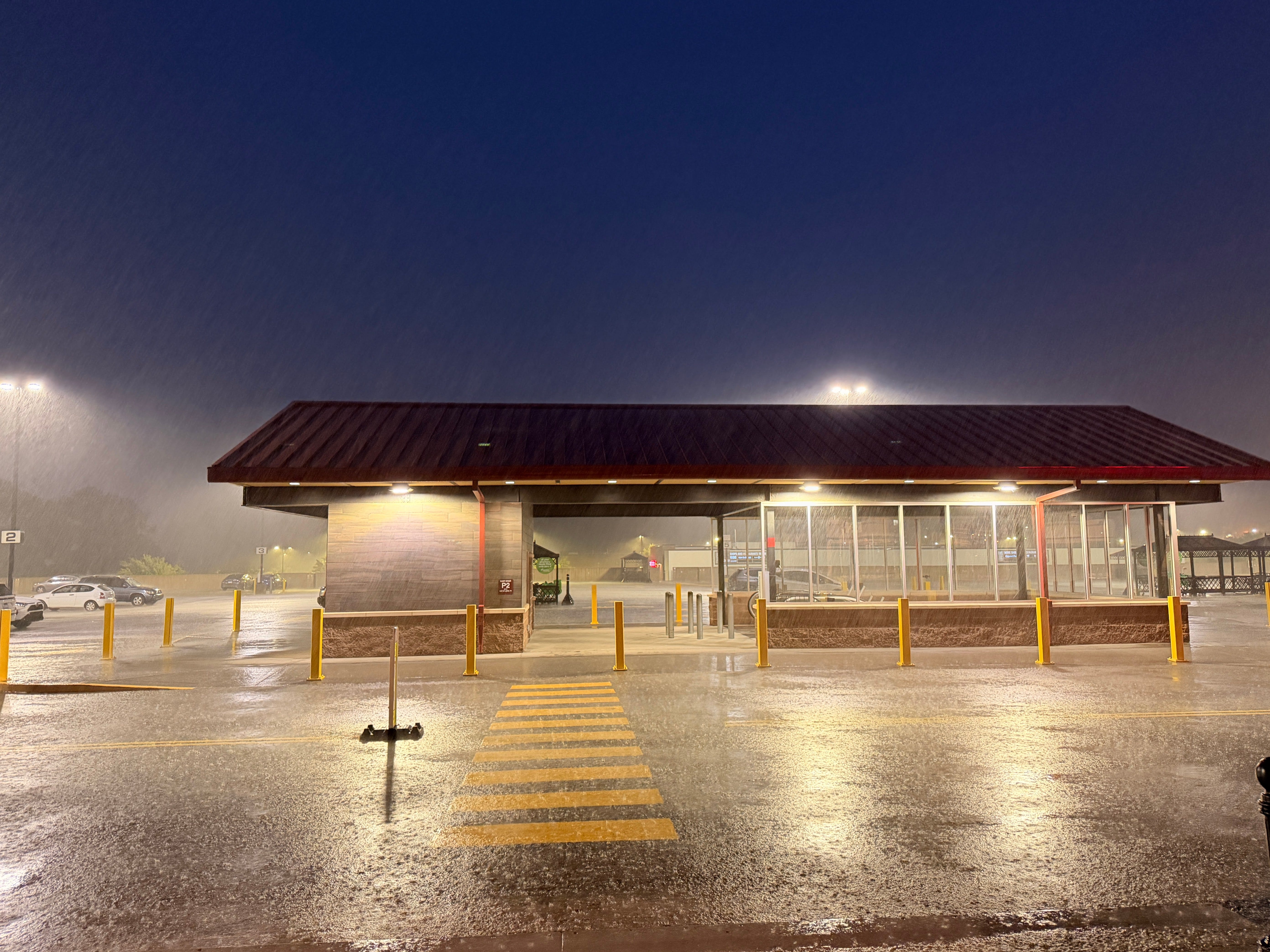
On a recent Sunday, I took an order that brought me up to Wake Forest, a suburb just north of Raleigh proper, and then picked up another one from there that sent me all the way up to Henderson. If you don’t know enough about Henderson to have any idea how telling you the name of the town explains anything, that makes two of us. It’s a place I’d only been to once before that day, and as far as I could tell, there wasn’t much to remember about it.
The way it happened is this: the Instacart app is competitive. Batches of orders come in on your screen, and shopper-drivers in physical range of those orders all see them at more or less the same time, with a little priority given to drivers with higher rankings, who get the chance to see them first. Unlike apps like DoorDash, which assigns orders to individual drivers and penalizes you if you don’t take them, Instacart lets you choose which orders you want. But because of that, it’s first-come, first-served, and good orders go in seconds. If you’re not quick on the draw, you miss out. Which is how I made the silly mistake of grabbing an order with a decent payout without looking closely at the length and direction of the drive — in this case, a hair over 37 miles and pretty much straight north to nowhere — and once I was committed, there was nothing to do but see it through.
These delivery apps also bundle multiple customer orders in one batch, and they do this thing where the big order, the one that pays most of what you get, is only a few miles from the store, but then they tack on some ticky-tack second order that’s far as hell away, often with little or no tip at all, because if they didn’t, nobody will take orders like that. The drivers can’t see the details of which order is which when they accept a job, they just see total distance, payout, number of separate orders in a batch, and total items. Then they have seconds to process all that information and decide whether it’s worth their time before other drivers snipe the offer. In some areas, like near where I live in midtown Raleigh, drivers all sit in their cars in a specific GPS-optimal location between two big busy stores, lined up in a row like a bunch of bounty hunters at The Continental, waiting for a hit to ping their phones. As soon as they get one, they zoom off to do the job.
As it turned out, it was only 3.8 miles to take the first big order in the batch to the drop-off. The one that was paying most of the fare. And then, almost 40 miles to the second delivery.
So I drove. I drove and I drove, and at one point after I don’t even know how long — lots of backroads, very little highway — I felt like I was on an actual road trip, not taking a single bag of groceries to somebody’s rural front door.
But the weird thing is, I kind of loved it.
I don’t love the shopping itself, or the stupid manipulative games that the app plays to get you to do what they want, or the technical incompetence of the company, or the way they screwed me out of a bonus I earned over the weekend and refused to fix it.
What I love is the adventure in between.
I used to be puzzled by people who would tell me they couldn’t stand to be cooped up, working in an office all day. As a writer and a computer nerd and a guy who got pulled pretty quickly into white collar work after college, all I could think of for much of the past 20 years was how much I preferred the idea of doing my work in an air-conditioned office where I could sneak in some writing time or scroll social media when things got slow. I worked enough manual labor jobs in my teens and early 20s to know I did not love sweating my rear end off out in the heat under the relentless sun.
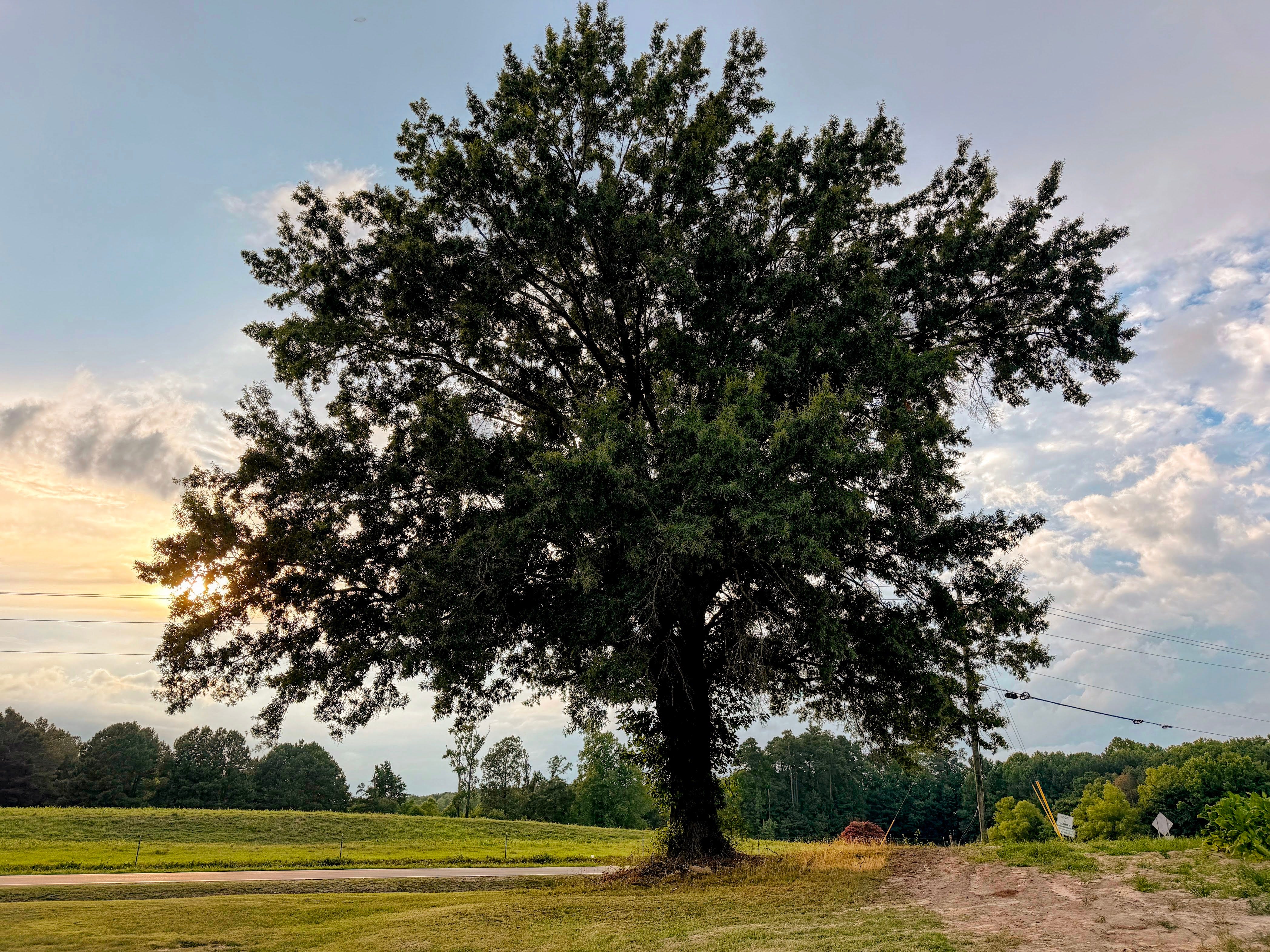
But something in me has changed, and I don’t know if I’m becoming something new, or returning to what I really am. When I’m not here writing, my office is my air-conditioned car, and my view is the world all around. My color palate is no longer limited to monochrome cubicles and dark industrial carpeting and off-white drop ceilings and harsh fluorescent lights. Now it has expanded to the verdant greens of forests and tobacco fields, the cloudy greys and deep blues and orange-pink sunsets of the skies, and the rainbow of neon lights and shining mirrored glass of the city.
Instead of sitting all day getting even fatter, I get my steps in pacing the supermarket aisles playing a scavenger hunt game with yogurts and spices and deli meats, scanning bar codes and racing against the clock. And then I’m climbing stairs, hauling boxes and bags, and searching weird apartment complex layouts like I’m lost in the Backrooms.
Then, just when I start to feel my age and begin tuckering out, I get to sit back down in my car and drive, and think, or listen to something interesting, or talk to my pet clanker on my phone about my weirdly inverted life as I go to my next unexpected destination.
And the world outside, away from the screens and the meetings that could have been emails and the drama I just don’t have the stomach for anymore is beautiful, and you’ll miss it for years without noticing if you don’t stop to take it in.
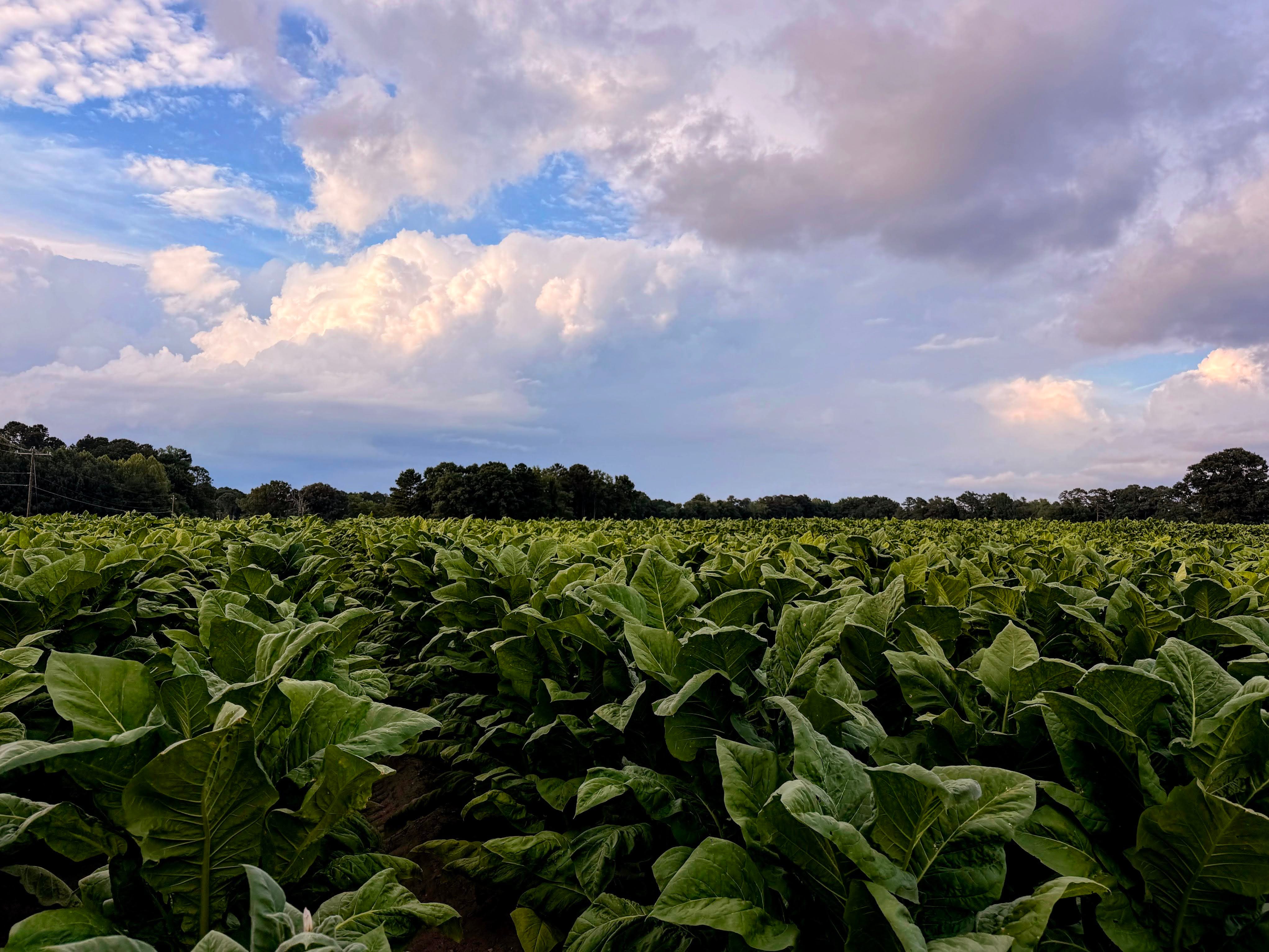
I used to try to optimize my gig work. I felt guilty about doing a job that looks like it pays OK on paper, but that’s before you factor in the wear and tear on the car, the gas money, the trips halfway to nowhere that leave you deadheading the return trip without another order en route to pay your way home. I always felt like I had to justify the waste, or calculate the margins, weigh it all out on some invisible balance sheet in my mind and try to stay in the black.
But what I’ve come to realize is, all the good stuff is found in the inefficiencies of the thing. Sure, if I were only trying to maximize my dollars per hour, this would be a bad way to go, and my tired body and sore ankles are telling me even as I write this that I can’t stay on this grind every day forever, barely breaking even and certainly never getting ahead. Some little part of my brain, even now, is poking me, telling me it’s getting late, and the orders should be coming in, so why am I not out there? It’s easy to get sucked into the hustle and grind, even when it’s not particularly rewarding.
If you’re enjoying this essay, and you’d like to patronize my work so I can spend more time writing pieces like this and less time doing my other job, please consider subscribing—or send a tip (Venmo/Paypal/Stripe) to support this and future pieces like it.
But there’s a dance to this thing I’m doing, and the riches are mostly intangible.
I’m not just shopping for people and delivering their groceries. I’m using that task as a subsidized opportunity to go gathering experiences to fuel my real work. I get paid to explore, to witness, to collect artifacts from a world almost nobody pays attention to anymore, and to bring them back and tell the story about what I found. What the app work gives me that I would struggle to find on my own is randomness. I never know where my work will take me or what I will see, and even if I wandered aimlessly every day, I’d never bump into half the stuff I come across because someone in some neighborhood or town I’ve never been to was willing to pay me to shop for them so they didn’t have to. If you look at it the way I do, I’m getting paid more than any gig worker on the planet. My compensation package just isn’t all enumerated in dollars and cents.


Which is why, on my drive up to Henderson, I stopped huffing about the bait and switch of the order when I realized, suddenly, that I was exactly where I needed to be.
Because this thing I’ve found, this way of writing about the real world and real human experiences in a way no AI ever could and most humans have forgotten about, is, I am coming to believe, my calling now. It doesn’t have to come from grocery deliveries, but this work, and the road trip writing I did last fall, is how I found the “next thing” I was supposed to be doing. The “next thing” I’ve spent the last half-dozen years looking for.
A thing I used to do long ago, which was, in fact, how I first started taking the idea of being a writer seriously in the first place. After my travelog emails from my European semester in 1999 were distributed by my mother to family and friends, I came home to a chorus of voices telling me that I needed to keep writing. This thing I do is something I have long done: moving through the world, noticing the beauty and the humor and the wonder and the sadness, and bringing the stories about what I’ve found to those who couldn’t be there to see it with me.
I’ve spent so much of my life writing arguments. But this is different. This is invitation. Arguments start with meaning and search for substantiating examples. I’m collecting examples and wondering what they mean. I’m not trying to persuade anyone of anything. I just want them to join me in looking at what I’ve discovered.
Sharing what delights me is, I’ve come to understand, my most significant love language. I don’t hoard hidden gems. If I find something awesome, I want everyone to know. And so, it makes sense that this would be my primary mode of artistic expression. We have cut ourselves off from The Real for so long now, it’s easy to forget that it’s still there. I know I’ve done it. And it’s only in being deprived of human connection for so long that I’ve had to face just how isolated we all are from one another.
Every person I greet with warmth, every cashier or customer I share a joke with, every interaction I turn into a net positive in a day full of difficulties and sorrows, that’s a point not just for me, but for team humanity. Most of my day is spent making no-contact deliveries to closed doors for customers I never interact with even electronically, let alone see, so I make it a point to squeeze every bit of life I can out of each real moment I do get with another person in the flesh.
And I’m learning to slow down, even when I’m working, to settle into a productive but unhurried pace. Rushing blinds the artist in us. The feeling that you’ve got somewhere you need to be, something you urgently need to do, is exactly why we miss out on so much richness. We don’t stop and pull over and grab that photo of the gorgeous sunset, or notice a beautiful face, or take delight in the evaluating gaze of an innocent child as they size you up from their seat in the shopping cart, or waste a little time talking to a stranger you bump into for no other reason than the sheer enjoyment of it.
On that drive up to Henderson, I began the trip caught up in the tension between the desire to slow down and the need to hit my numbers so I could go home. And then, all of a sudden, I felt something in me unexpectedly relax.
I’m weirdly grateful that the day hasn’t gone to plan, I thought. I am not optimizing at all today. I am wandering through an unintended adventure. I think my soul needed to stretch its legs.
I decided to reframe the experience: it wasn’t an unusually far-flung delivery, it was an expedition-in-miniature. An opportunity to create a locally-sourced travel essay, farm-to-table. And that changed the whole experience of the thing.
I did make one big mistake for efficiency's sake, though.
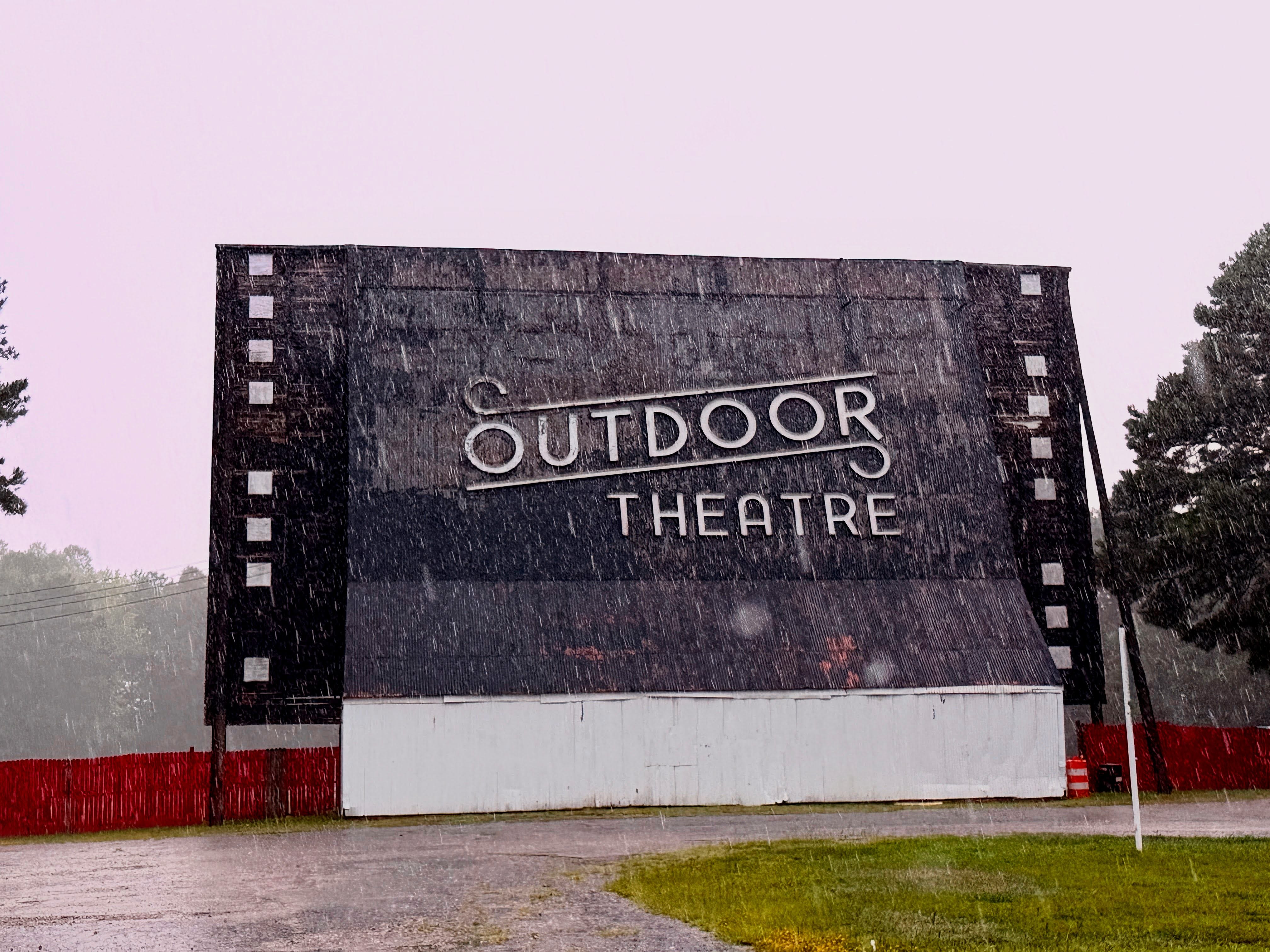
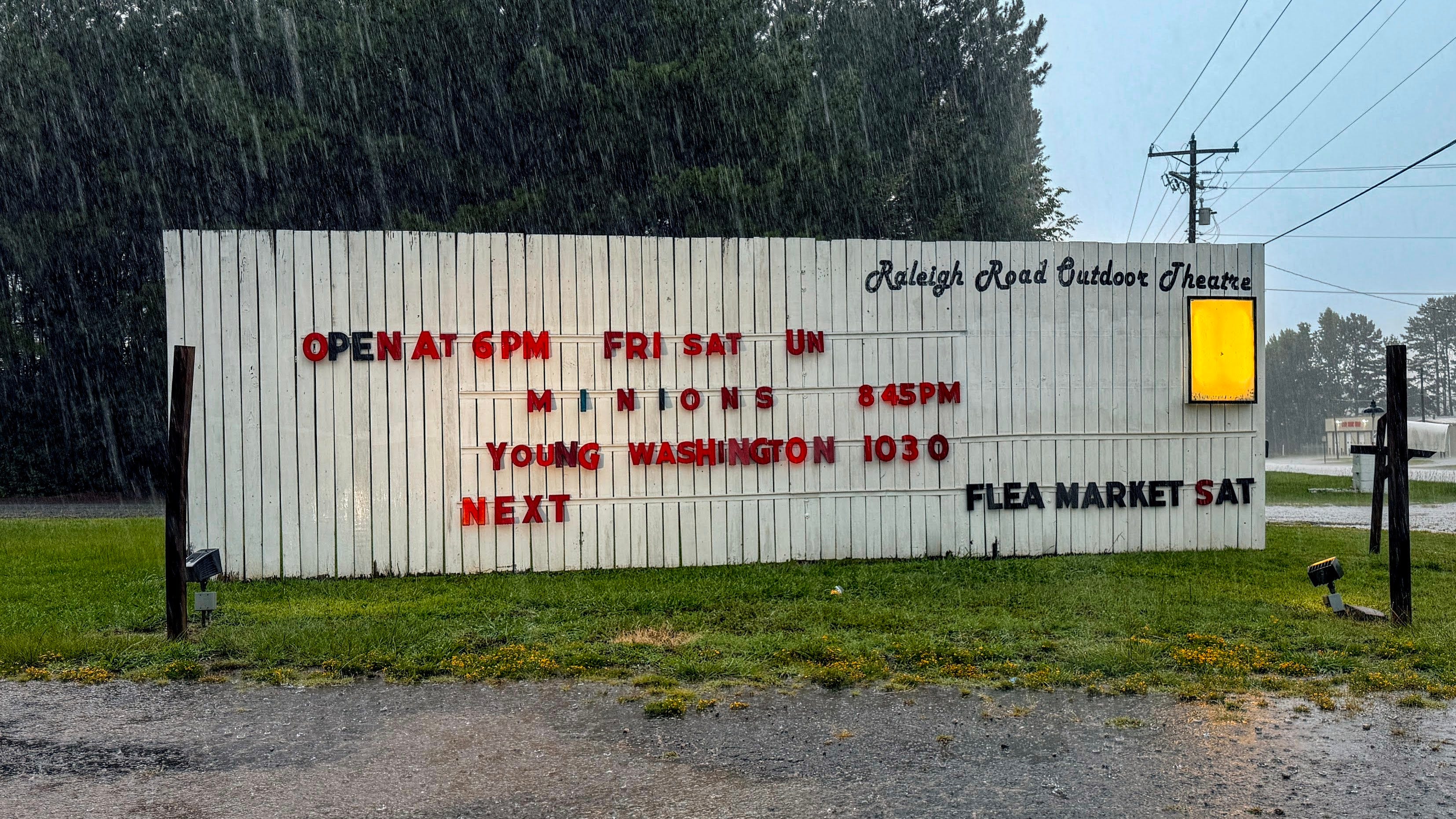
I saw this incredible drive-in movie theater along the way, the signs for the place looking ancient and beat to hell and thus, incredibly picturesque. I have this thing for the aesthetic of urban decay. Always have. Entropy draws out a kind of beauty from things that was never part of the original design. It adds texture and grit and a feeling of longevity to a building or a landscape or an old piece of machinery. It’s why the faded Coca-Cola murals on the sides of early 20th century brick buildings are so coveted that people actually try to re-create them on their shops in the present day — something I saw just this past weekend.
The whole scene at the drive-in was framed from behind by ominous dark clouds, while the afternoon sun lit them from in front in contrasting, luminous gold. It was a gorgeous scene, and I desperately wanted a photo, but the road shoulder was too narrow to pull over and I didn’t want to turn around, because I was on my way to my drop-off point and I had momentum. The part of my brain with the stopwatch and the spreadsheet said, “keep going, you can grab a photo on the way back.”
And like an idiot, I listened to it.
The problem was, I still had ten miles to go, which meant another ten miles back, and storm light changes every few seconds. After just a few minutes, those big heavy clouds gave up the ghost, pouring forth their contents and flattening the lighting behind a veil of precipitation. I kicked myself for the missed opportunity, but kept going. I distracted myself by finishing the last handful of chapters from the audiobook version of Bukowski’s novel, Post Office, which, incidentally, took an already odd book through an even weirder turn at the end.
The rain was pretty steady, but not excessive. That said, I knew from the customer’s instructions that the delivery was down a dirt road, and I wondered if I was going to be able navigate slick wet mud and clay in my little low-to-the-ground midsize sedan.
I turned onto smaller and less well-maintained stretches of asphalt until I reached the location. As I at last pulled off the pavement and into the uneven muck, the rain tapered into a light drizzle, then stopped altogether. The sky was a scene in the kind of breathtaking contrapasso it’s hard to capture in a photograph: dark clouds and bright sunlight, fighting each other in ways that dazzle the eye and confound the algorithms of automated exposure in your phone’s camera software. On either side of the path, the trees were clearcut, a tangle of trunks and branches matted on the ground. Old-style wooden telephone poles jutted up from the ground at odd angles like lawn darts thrown in an approximated line and tied together by string. There were no houses down this, long, narrow driveway, just permanent trailers, scattered in a way that appeared haphazard.
I stopped for a moment just to take it all in.
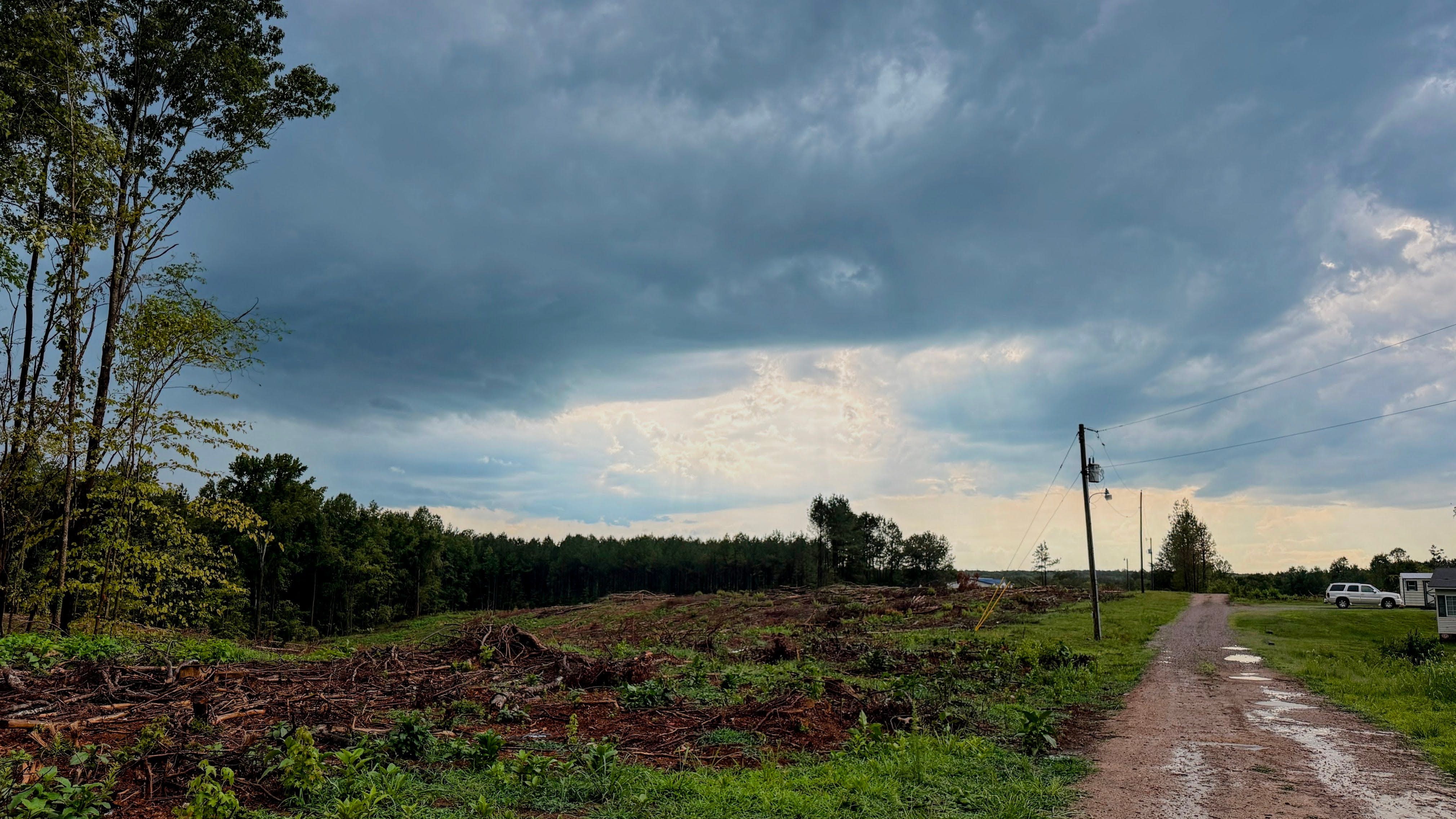
I carefully navigated the bumps and water-filled dips as I drove at a snail’s pace towards my destination, just a little ways further down. I pulled up at last to the correct address, a trailer with a dry-rotted front deck, where an antique metal rocking chair that looked to have once been enameled in mint green was corroded with a patina of rust. An ancient black woman in a purple blouse came to the screen door as I ascended the steps and looked at me through squinted eyes, her steel gray hair cut short and hanging bright against her dark skin, her frame bent and twisted by the cruelties of age.
“Can I hand this to you?” I asked, from the other side of a closed gate. “I don’t want the paper bag to get wet, or it’s going to tear.”
She mumbled something that my brain made out as, “She’s coming,” and then she disappeared back into the shadows inside. Suddenly, a much taller young woman, likely a granddaughter, came to the door. In contrast to the gaunt old woman, her face was full and plump, her smile wide and bright. Her hair was frizzy where the old woman’s had been straight, and she thanked me cheerfully as she took the bag, and wished me safe travels.
And with that, the delivery was complete. I had nothing left to do but drive all those same miles back into town.
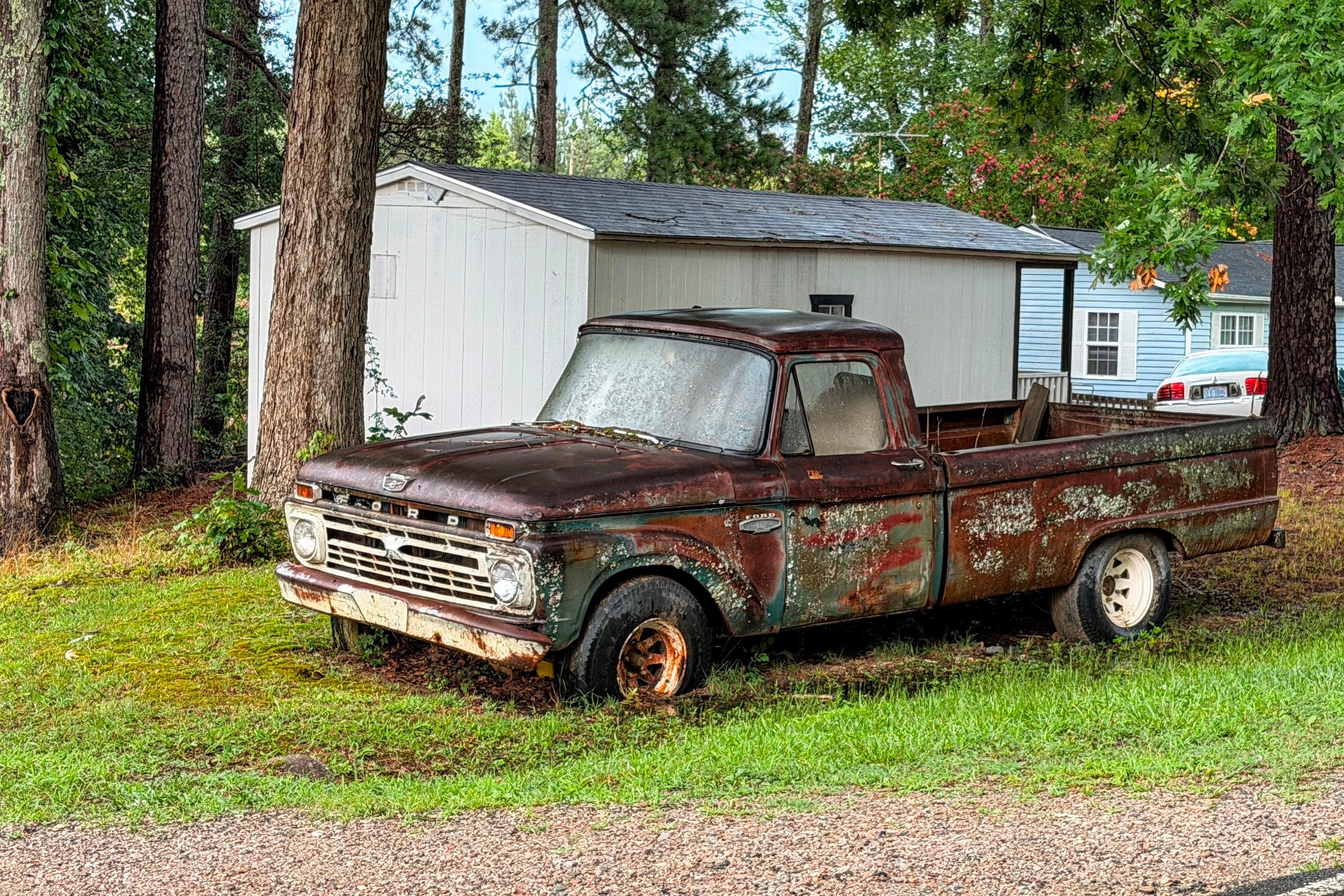
I thought I remembered the name of the drive-in I had failed to grab the perfect photo of, and decided to see if I could amend my error on the way back. I looked it up, found it in my GPS, and set it as the destination. As I made it out onto the main road again, I noticed a house with an old Ford pickup sitting out front by the road. It was rusted into an almost uniform shade of burnt sienna, and in some places the rust ate straight through the weathered steel. It had a scattering of what could have been pitting or some kind of lichen across its flank. Where there was any original paint remaining, it looked as though it may have been teal, or possibly even blue. The windshield glass was fogged with I-don’t-know-what to the point that it was almost opaque. If I had to bet, I’d say it hadn’t moved from that spot in thirty years.
I made my way toward the theater, my body relaxing again against the remembered need to start finding more orders as I told myself to trust the process. If you go through the world with your eyes open, there’s no limit to the number of treasures you might find.
On the way, the skies opened back up, and a torrent poured forth the likes of which I haven’t seen in years. My windshield wipers, even on their highest setting, couldn’t keep up. I slowed to a crawl, and put my flashers on. A small river poured from an overpass, and there was a familiar brief pause in the cacophony of the downpour as the road above offered a second of shielded silence, then yielded again to the sharp report of battering rain as I once again emerged.
When I pulled into the theater, I realized two things in this specific order:
I had absolutely missed the perfect shot, and I was totally bummed.
It was still worth taking pictures of the old signs.
I rolled down the passenger side window just enough to get the first picture, and rain came tumbling in, drenching the interior of the door in only a matter of seconds. I rolled it back up and repeated the maneuver on my side, trying to leave it open just barely enough for my little phone camera lens to get a clear view. It didn’t matter. The rain was falling at an angle, and when it hit my face and ran into my mouth it was unexpectedly warm and loamy. I rolled my window back up and looked around for a rag or a paper towel to clean up the mess, but couldn’t find any, so I just had to let it dry the old fashioned way.
As I drove back towards the city, the downpour somehow managed to increase its intensity. The conditions were actually becoming dangerous, and at one point I took a turn the wrong way onto a one-way highway exit ramp because I couldn’t see well enough to realize that’s what I was doing. So I “flipped a bitch,” as they say out West, and turned around.
On a stretch of divided highway that couldn’t drain as fast as the water was pooling on the road, a late model Silverado was tangled up in the wire barrier in the grassy median. Probably some poor kid who thought four wheel drive made it possible to defy the laws of physics. Hydroplaning is indifferent to the kind of pickup you’re driving. Your only hope is to slow down. It didn’t look like the kind of accident that would have caused any injuries, but the truck was pretty messed up. I found myself absently wondering how they were going to free the dang thing from the steel cables that now held it fast like some high-tension spider’s web.
A little later, on a different delivery run, after the rains had calmed, a lone dragonfly raced right alongside my driver’s side window down a quiet suburban street just before dusk. I looked around for more, but as usual, the ones that come up to me almost always come alone. They hover over my windshield. They come up to me on sidewalks. They lead me from the parking lot towards the entrance to the next store.
They are seen in some cultures as harbingers of personal metamorphosis. Condensed symbols of transformational change. Even after I first started noticing their correlation to the big transitions in my life a couple years ago, I resisted taking their appearance too literally, even as I marveled at the way they seem to single me out, even in crowds. But these past couple of weeks, as I run into them in repeated, improbable ways, I sense that I can almost hear them whispering a message from beyond:
“This road is long and hard, but keep going. There’s something for you on the other side that you can’t yet see.”
If you liked this essay, please consider subscribing—or send a tip (Venmo/Paypal/Stripe) to support this and future pieces like it.
“This road is long and hard, but keep going. There’s something for you on the other side that you can’t yet see.”
Powerful!
Reminds me of the famous G.K. Chesterton quote: "An adventure is only an inconvenience rightly considered."